

How to Navigate Spanish Pork Exports in Mixed-Market Regions
Exporting pork products globally can be challenging, especially when operating in mixed-market regions areas where both halal-restricted and unrestricted markets coexist. For Spanish pork producers and international distributors, understanding the cultural, regulatory, and logistical landscape is essential to succeed without compromising compliance or consumer trust.
At Taste of Spain, we support responsible trade by helping our partners navigate these complexities while promoting Spain’s world-renowned pork products with integrity and precision.
Understanding Mixed-Market Regions
Mixed-market regions are those where Muslim-majority populations live alongside communities that consume pork products. The GCC, parts of Southeast Asia, and some African and European regions fall into this category.
These markets demand careful segmentation not just in product offering, but also in storage, transportation, labeling, and retail placement.
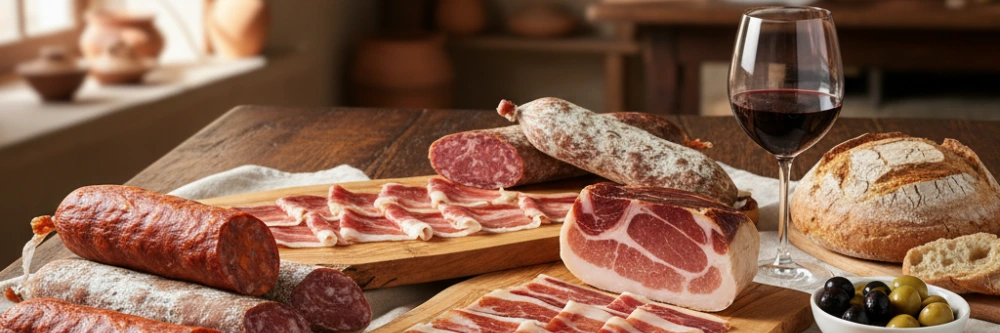
Why Spanish Pork Stands Out
Spain is known globally for its premium pork products, especially:
- Jamón Ibérico and Jamón Serrano
- Chorizo, Lomo, and other dry-cured sausages
- Cooked and ready-to-eat pork delicacies
These products are highly valued by chefs, retailers, and international consumers for their rich flavor, traditional production methods, and EU-certified quality standards.
Despite their appeal, introducing them into mixed-market regions requires a strategic, respectful approach.
Key Considerations for Exporting to Mixed-Market Regions
Legal Regulations & Import Policies:
Each country has unique import regulations. Some allow pork imports under strict conditions (duty-paid, clearly labeled), while others prohibit pork entirely.
Staying updated on customs regulations, labeling rules, and permissible sales channels is critical to avoid costly mistakes.
Segregated Supply Chains:
Mixed markets often require complete segregation of pork products during transportation, storage, and retail placement. Pork should never come into contact with halal-certified goods or shared equipment.
Retail Placement and Communication:
In-store placement matters. Many retailers in mixed-market regions have dedicated non-halal sections where pork and alcohol are stored separately. Transparent labeling and proper signage build trust with consumers and ensure regulatory compliance.
Cultural Sensitivity:
Marketing pork products in such regions must be discreet and targeted. Avoid broad or public promotions. Instead, focus on specialized outlets, gourmet sections, or online B2B channels that cater to non-halal consumers.

How Taste of Spain Supports Responsible Pork Exports
At Taste of Spain, we help Spanish producers and international buyers export pork products responsibly. We offer:
- Market research and compliance guidance
- Custom order support and low MOQs
- Segregated logistics solutions for sensitive markets
- Direct access to trusted Spanish pork suppliers
By combining authenticity with professionalism, we ensure that our pork offerings reach the right markets without compromising on respect, legality, or consumer confidence.
Conclusion
Pork exports in mixed-market regions present unique challenges but also strong opportunities when handled correctly. With expert planning, cultural awareness, and regulatory precision, Spanish pork products can thrive in these settings.
Success in these markets hinges on more than just demand, it requires a deep understanding of local customs, compliance with varying regulations, and a commitment to operational excellence. Missteps in labeling, logistics, or marketing can not only jeopardize shipments but also risk damaging reputations and long-term relationships. Therefore, it’s essential to work with trusted partners who recognize these sensitivities, provide practical, on-the-ground solutions tailored to each market’s unique profile, and ensure consistent quality and customer satisfaction across every stage of the export process.
At Taste of Spain, we believe that respect and responsibility are just as important as quality and flavor. That’s why we guide our partners every step of the way, from product selection to final delivery, to ensure that Spanish pork is introduced to global markets ethically, compliantly, and strategically. With the right approach, Spanish pork can continue to earn its place on tables around the world, even in the most complex regions.